· 3 min read
Bali in the dry season: what to pack for beaches, temples and a volcano at sunrise
30 °C on the beach, a sarong at every temple gate and a climb up a volcano before dawn to a cold, windy summit. What to pack for Bali between May and September.
DPS
- When
- May–September
- Weather
- 22–31 °C, mostly dry
- Pack
- Light clothes, a sarong, repellent
The story
It’s July in Bali, and the dry season is at its best: blue skies, a breeze off the Indian Ocean, 30 °C at noon. You spend the morning at Uluwatu, watching the surfers from the cliffs, and put on sunscreen twice. The reef-safe one you bought at home turns out to be what the dive shop recommends too.
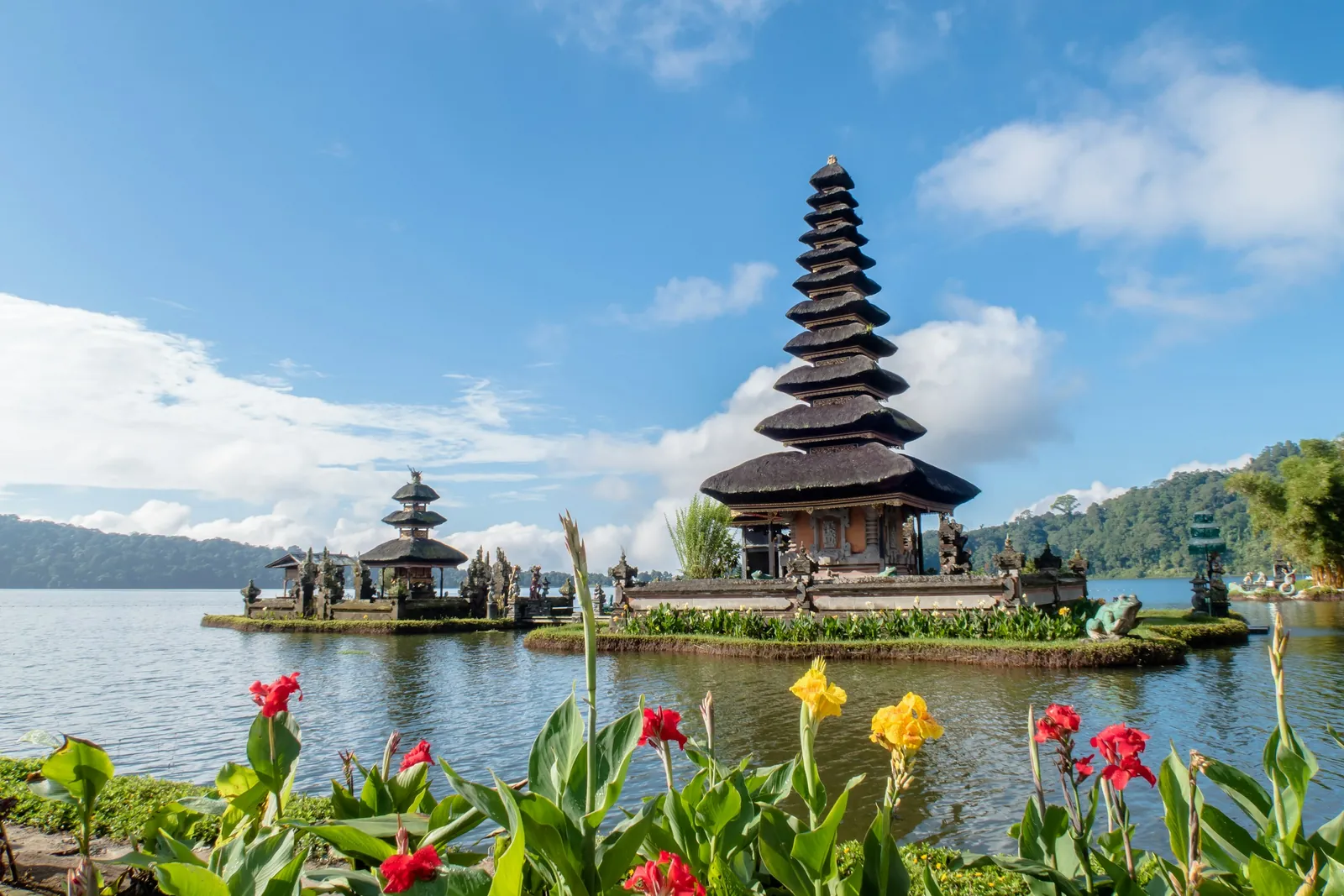
In the afternoon you visit a temple. At the gate, a woman hands you a sarong and a sash; everyone wears one inside, visitors included, and your shoulders need to be covered too. You’re glad you wore a T-shirt instead of a tank top. Inside, offerings of flowers and rice sit on every step, and incense drifts across the courtyard.
Ubud, in the hills, is greener and a little cooler. In the evening, as the rice fields turn dark, it’s 22 °C and the mosquitoes come out. The repellent in your day bag stays busy.
At half past three the next morning, a driver picks you up for Mount Batur. You climb in the dark by headlamp for two hours, and at the summit, 1,717 metres up, it’s 12 °C and windy while you wait for the sun. The people who came in shorts and a T-shirt are shivering under borrowed blankets; your fleece and long trousers make the wait easy. When the sun rises over the crater lake, the cold is forgotten.
Bali in the dry season is warm, sunny and relaxed. Pack light clothes, something that covers your shoulders and knees for the temples, and one warm layer for the mountain.
What to pack
Pack for the beach and the heat, then add clothes for the temples and one warm layer.
Clothes
- Light, breathable clothes in cotton or linen.
- T-shirts or tops that cover your shoulders, for the temples.
- A sarong: temples usually lend one, but your own is handy.
- A fleece or light jacket and long trousers for the sunrise trek up Mount Batur.
- Swimwear, and a rash guard for snorkeling.
Shoes
- Sandals or flip-flops that are easy to slip off.
- Sneakers or hiking shoes for the volcano and walks through the rice fields.
For the sun and the sea
- Reef-safe sunscreen, a hat and sunglasses.
- A snorkel mask, if you have your own.
- A dry bag for boat trips to Nusa Penida or the Gili islands.
For health
- Insect repellent, for the day and the evening: mosquitoes can carry dengue.
- Something for an upset stomach; drink bottled or filtered water.
- A small first-aid kit for scrapes from reefs and rocks.
Documents, money and tech
- Passport, valid for at least six months after you arrive.
- A plug adapter: sockets are types C and F, at 230 V.
- Cash for small warungs, markets and tips.
Good to know
- Weather: from May to September, the coast is around 24 to 31 °C (75 to 88 °F), with little rain. Ubud is a few degrees cooler in the evening, and the top of Mount Batur can be 10 to 15 °C (50 to 59 °F) before sunrise.
- Temples: wear a sarong and a sash, and cover your shoulders; don’t climb on shrines or walls.
- The sea: currents are strong on many beaches; swim where there are lifeguards, between the flags.
- Tourist levy: Bali charges foreign visitors a levy once per trip; pay it online before you fly, or on arrival.
- Plugs: types C and F, 230 V.
- Money: Indonesian rupiah (IDR). Use ATMs inside banks or shops, and carry cash for small places.
- Entry: many nationalities can get a visa on arrival, or apply online for an electronic one before they fly; check the rules for your passport.