· 3 min read
Cusco and Machu Picchu in the dry season: packing for altitude, sun and cold nights
At 3,400 metres the sun burns at noon and the night drops to freezing. A story from the Sacred Valley, and a packing list built for altitude.
CUZ
- When
- May–September
- Weather
- 0–21 °C, strong sun
- Pack
- Layers, SPF 50, a small daypack
The story
You step off the plane in Cusco and the first thing you notice is the stairs. Just one flight, to the baggage hall, and you’re out of breath like you’ve run for the bus. At 3,400 metres there’s about a third less oxygen in each breath, and your body hasn’t read the itinerary.
The hotel offers coca tea at reception. You drink it, you take the afternoon slowly, and you walk around the Plaza de Armas in a T-shirt, because at noon the sun is hot and sharp. Two hours later, your forearms are pink. The UV index here is extreme almost every day of the year.
At seven in the evening the sun goes down behind the hills and the temperature falls like a stone. By ten it’s 2 °C, and your room, like many in Cusco, has no central heating. You sleep in your fleece, with the hot water bottle the hotel left on the bed, and make a note: the down jacket wasn’t overkill after all.
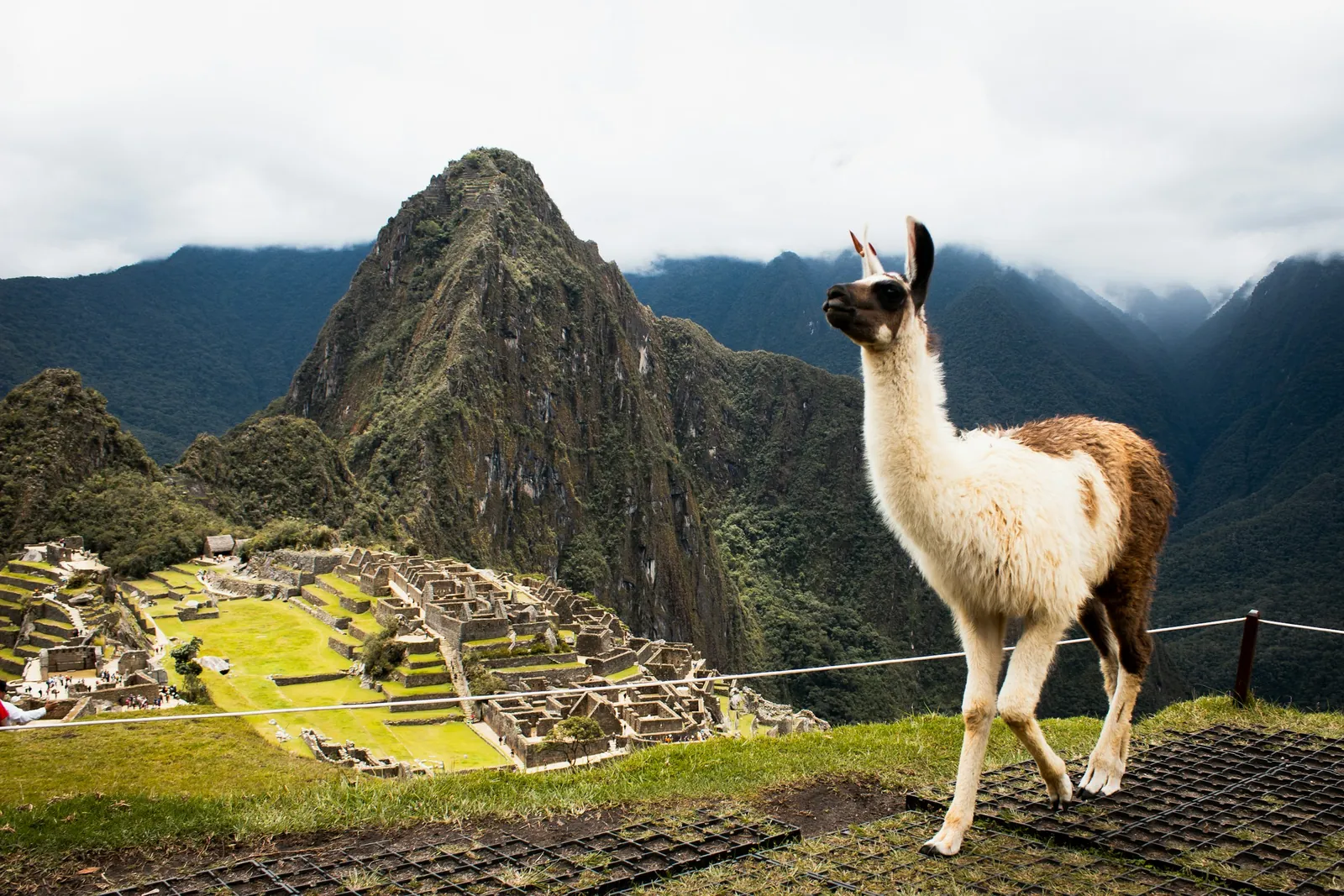
Three days later, acclimatized, you take the early train down the valley to Aguas Calientes, with only a small backpack, because the trains to Machu Picchu only allow a small bag each. At six the next morning you’re at the gate with your passport, since your ticket is tied to it. Machu Picchu is lower and more humid than Cusco. The clouds hang in the peaks, then lift all at once, and there it is. It’s warm now, a little damp, and tiny biting flies find every inch of skin you didn’t cover in repellent.
The Andes in the dry season ask you to pack for three climates in one day: burning sun, freezing nights, and the humid cloud forest around the ruins.
What to pack
Pack a small daypack for Machu Picchu and leave your suitcase in Cusco.
Clothes
- A thin down jacket or a warm fleece for the nights, which can drop below freezing in June and July.
- Warm sleepwear. Many hotels have little or no heating.
- Long-sleeved, light shirts: better than sunscreen alone at this altitude.
- A light rain jacket. Even in the dry season, the cloud forest around Machu Picchu gets showers.
- Hiking trousers, and a pair for the evenings.
- A warm hat and light gloves for early starts.
Shoes
- Comfortable hiking shoes with good grip for the stone steps and trails.
- Sandals or light shoes for the town.
For the sun and the altitude
- Sunscreen SPF 50, lip balm with SPF, a wide-brimmed hat and good sunglasses.
- A refillable water bottle. Drink more than you think.
- If you’ve had altitude sickness before, talk to a doctor before the trip about medication.
For Machu Picchu
- Your passport: you’ll show it at the entrance with your ticket.
- A small daypack. Big backpacks aren’t allowed inside.
- Insect repellent. The biting flies are small and persistent.
- Some cash in soles and a snack for after the visit.
- A headlamp for the pre-dawn start.
Documents, money and tech
- Passport, Machu Picchu tickets and train tickets (all tied to your passport number).
- Soles for markets, taxis and small restaurants. US dollars are accepted in some tourist spots, but change comes in soles.
- A plug adapter if needed, and a power bank.
Good to know
- Weather: in the dry season (May to September), Cusco’s days reach about 19 to 21 °C (66 to 70 °F), and nights fall to around 0 °C (32 °F). Machu Picchu is lower and warmer, with humid air and occasional showers.
- Altitude: many travelers start in the Sacred Valley (about 2,800 m) and move up to Cusco later, which is easier on the body.
- Plugs: types A and C, 220 V. Most chargers handle it; check other devices.
- Money: Peruvian sol (PEN).
- Book early: Machu Picchu tickets and the Inca Trail permits sell out months ahead in the dry season.
- Entry: many nationalities can visit Peru visa-free for tourism; check the rules for your passport.